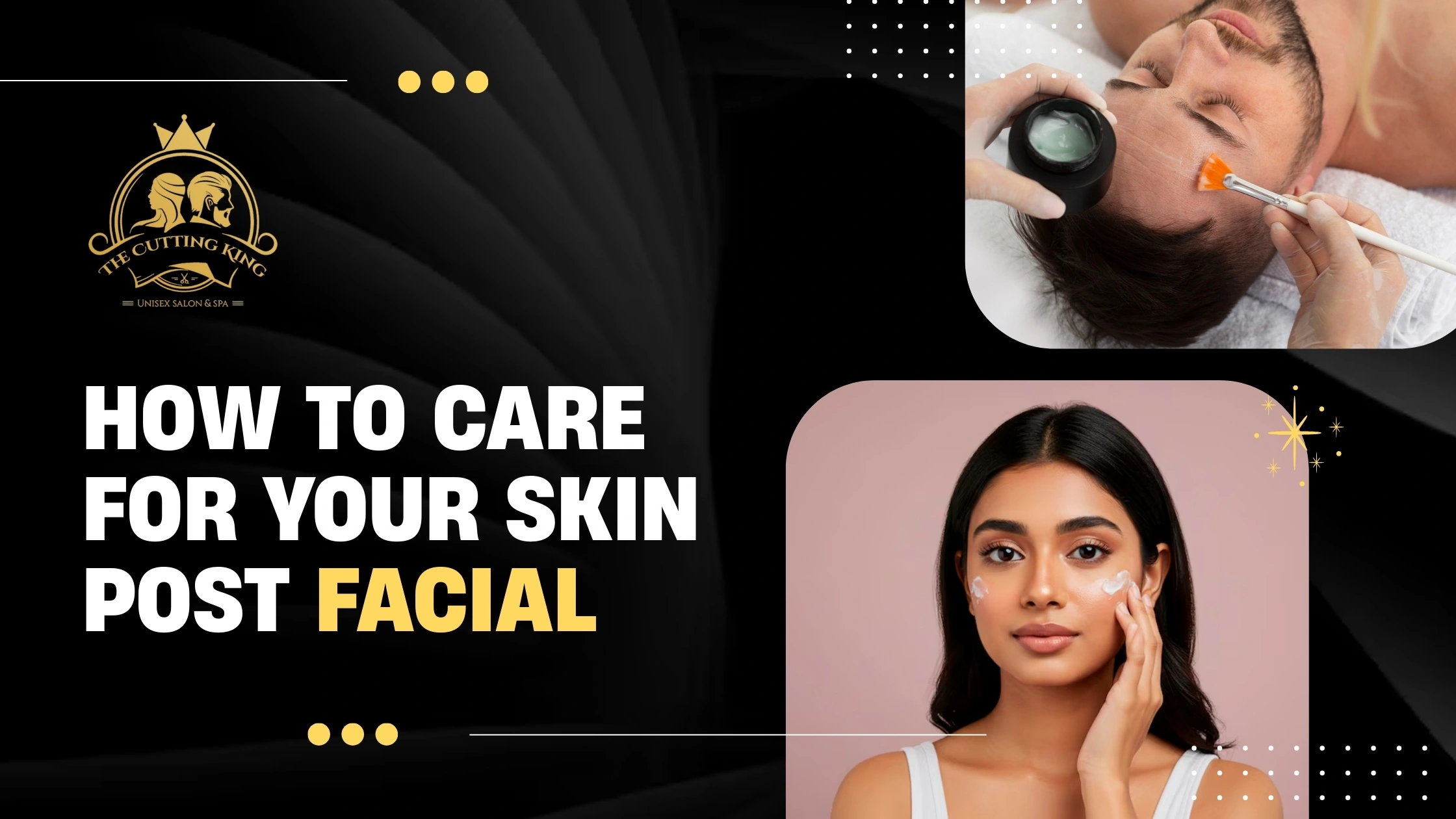
Facials are one of the most effective ways to rejuvenate, hydrate, and deeply cleanse your skin. Whether you choose a basic clean-up, hydrating treatment, or an advanced facial in Patna, the post care routine plays a major role in maintaining the results. Many people invest time and money in getting a good facial but forget that the aftercare determines how long the skin stays glowing, calm, and healthy.
This blog is crafted for individuals seeking professional skincare guidance, especially those visiting The Cutting King Salon. With the right routine, you can protect your skin, avoid complications, and enhance the benefits of your treatment.
A facial temporarily makes your skin more sensitive. This is because exfoliation, steaming, extractions, and massage increase blood flow and open pores. Your skin becomes more receptive to nutrients but also more prone to damage if not handled properly.
Good aftercare:
For anyone opting for a premium facial in Patna, post treatment care is what ensures maximum results.
One of the best things you can do after a facial is to keep your skin hydrated. Use a gentle moisturizer to lock in moisture and soothe the skin. Hyaluronic acid based moisturizers are ideal because they help maintain plumpness without feeling greasy.
Pros:
Cons:
After a facial, your pores are open. Touching your face can easily move bacteria, dirt, and excess oil from your hands onto your skin, which may lead to clogged pores, irritation, or unexpected breakouts. Keeping your hands away from your face helps maintain cleaner, healthier skin.
Why It Matters
Pro Tip:
Makeup products, especially items like foundations, concealers, and compact powders, an easily block your freshly cleansed pores after a facial. Since your skin is more open and sensitive during this time, applying makeup may lead to irritation or breakouts. Allowing your skin to breathe helps it recover and absorb the benefits of the treatment more effectively. Allow your skin to breathe.
What Happens If You Apply Makeup Too Soon
Best Practice:
UV Sensitivity Increases After a Facial
After a facial, exfoliation and cleansing remove the layer of dead skin cells that normally act as a mild shield against harsh sunlight. This makes your skin more vulnerable to UV rays. If you step outside without proper protection, you may experience tanning, redness, irritation, or even long-term pigmentation issues.
What Kind of Sunscreen to Use
Choose a broad-spectrum SPF 30+ sunscreen that is lightweight and non-greasy. Gel-based sunscreens are ideal for oily skin, whereas cream-based ones work for dry skin.
Recommended Sunscreen Tips:
Pros
Cons
Your skin has already been exposed to steam during the facial. More heat can worsen redness or sensitivity.
Skin Risks If You Don’t Avoid Heat:
Let your skin cool down and normalize for at least 24 hours.
Facials usually include either physical or chemical exfoliation. Doing it again too soon can irritate your skin.
Exfoliating Too Early Can Cause:
Let your skin recover naturally.
Hydration boosts the effectiveness of the treatment. Drinking water helps maintain the glow and supports detoxification.
Benefits of Staying Hydrated:
Avoid products containing strong acids, retinoids, or alcohol. After a facial, your skin becomes more sensitive and requires extra gentle handling. It’s softer, freshly exfoliated, and more vulnerable to irritation, so treating it with care helps maintain its glow and prevents any unwanted reactions.
Ingredients to Avoid Post-Facial:
What to Use Instead:
Every facial targets a different skin concern, whether it’s acne control, deep hydration, anti-aging, or brightening. Because of this, aftercare instructions also vary. The skincare specialists at The Cutting King provide personalized guidance based on your skin condition and the treatment you receive. Following these instructions ensures faster healing, longer-lasting results, and a healthier complexion.
Common Aftercare Guidelines to Follow
Pros
Cons
Your skin needs rest, overloading it with serums and treatments can irritate it.
Sweat can clog open pores and cause breakouts.
Avoid touching or popping any bumps that appear.
Change your pillow cover to avoid bacterial contamination.
Ideally, facials should be spaced 4-6 weeks apart. This allows your skin to go through its natural renewal process without any interruption. If you have acne-prone skin, a monthly routine helps minimize breakouts and improve texture.
If you experience:
Reach out to a skincare expert immediately for guidance.
Caring for your skin after a facial is just as important as choosing the right treatment. When you follow a proper post care routine, hydration, sun protection, gentle cleansing, and avoiding harsh products, your results last longer, your glow stays intact, and your skin barrier remains healthy. Whether you opt for a simple clean-up or a more advanced facial in Patna, following proper aftercare helps your skin recover smoothly and allows you to get the maximum results from the session. By being mindful of what your skin needs in the first 48 hours, you not only protect it from irritation but also enhance the overall outcome of your facial. Your post facial habits are the key to maintaining soft, smooth, and radiant skin every day.